100 Factories
An operating system for modern manufacturing
100 Factories rethinks how things are made in the UK — not through a single site, but through a connected network of smaller, local factories. By combining distributed manufacturing with home-grown timber and regional expertise, the project explores a more resilient, traceable and sustainable way of building — proving that local capability can deliver national impact.
-
Brand strategy
Digital design
Narrative development
Ongoing creative collaboration
Project positioning
Systems thinking
Visual identity
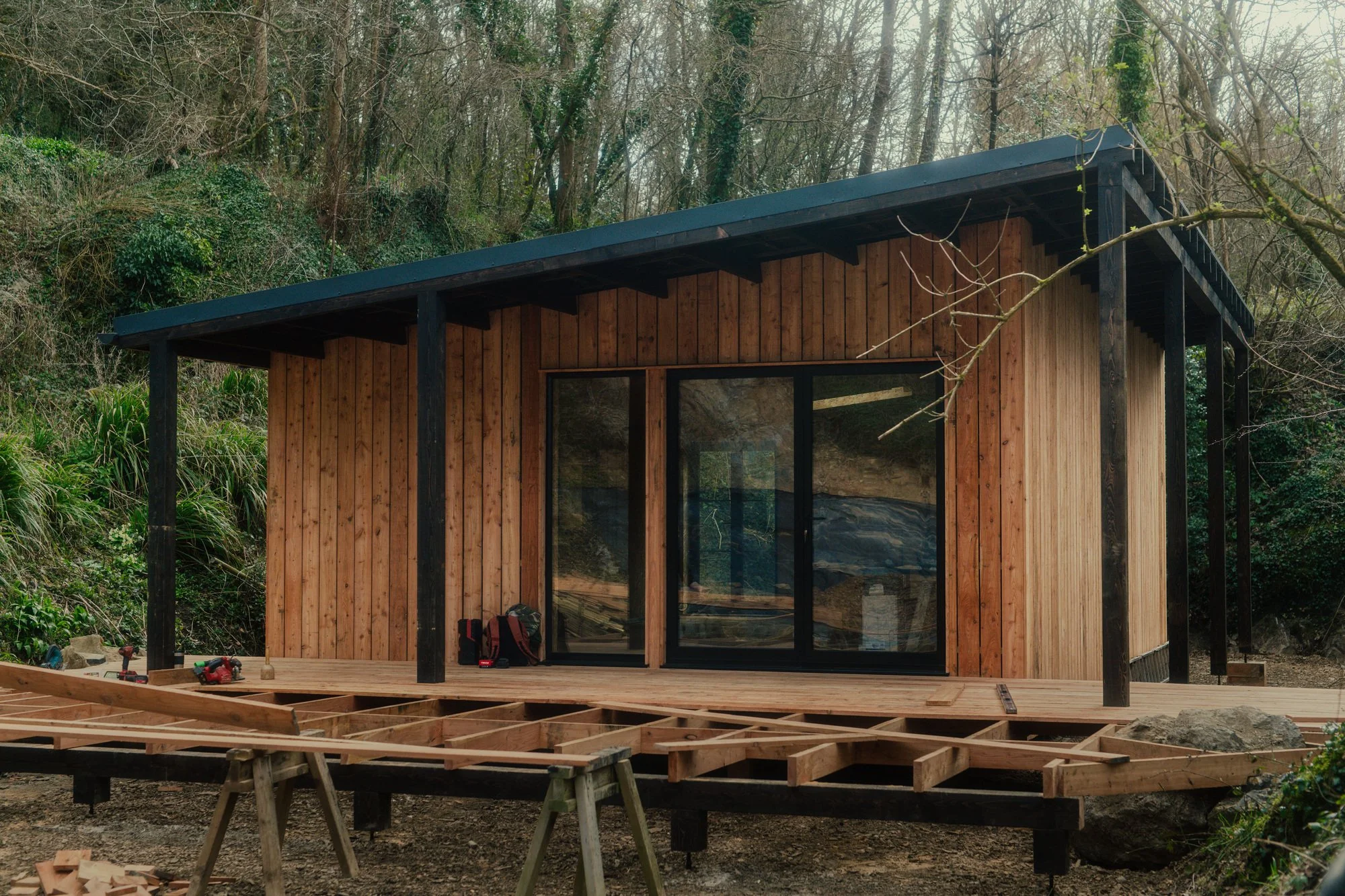
To capture and communicate the work in full, we combined digital storytelling with film and photography. Alongside designing and building an online report website to bring together the project’s research, context and outcomes, we commissioned trusted partners to help document the work in use. Led by Dr Alejandro Veliz Reyes, Associate Professor in Digital Design at the University of Plymouth, the project required a clear, accessible digital platform capable of holding depth without feeling dense.
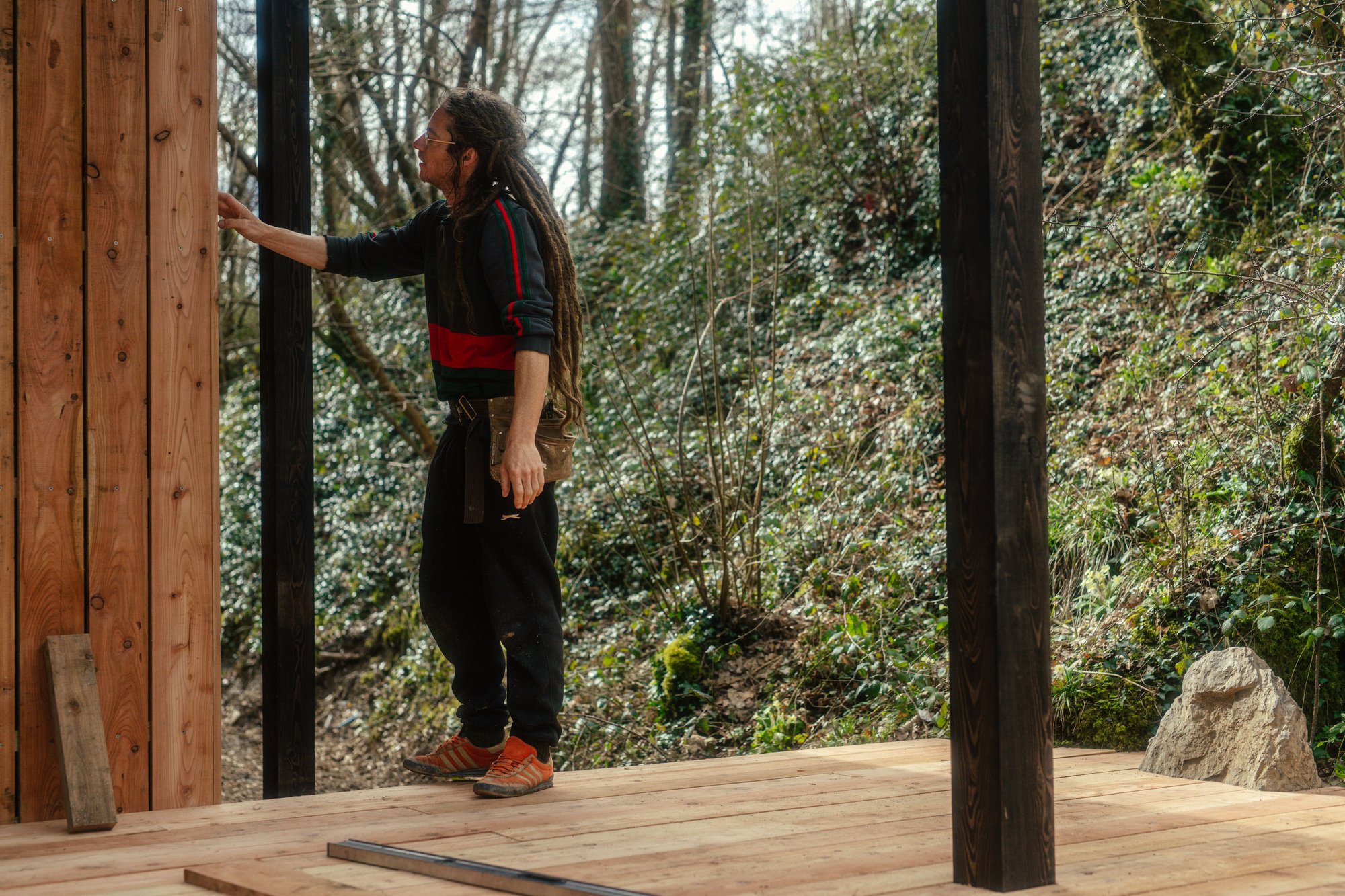
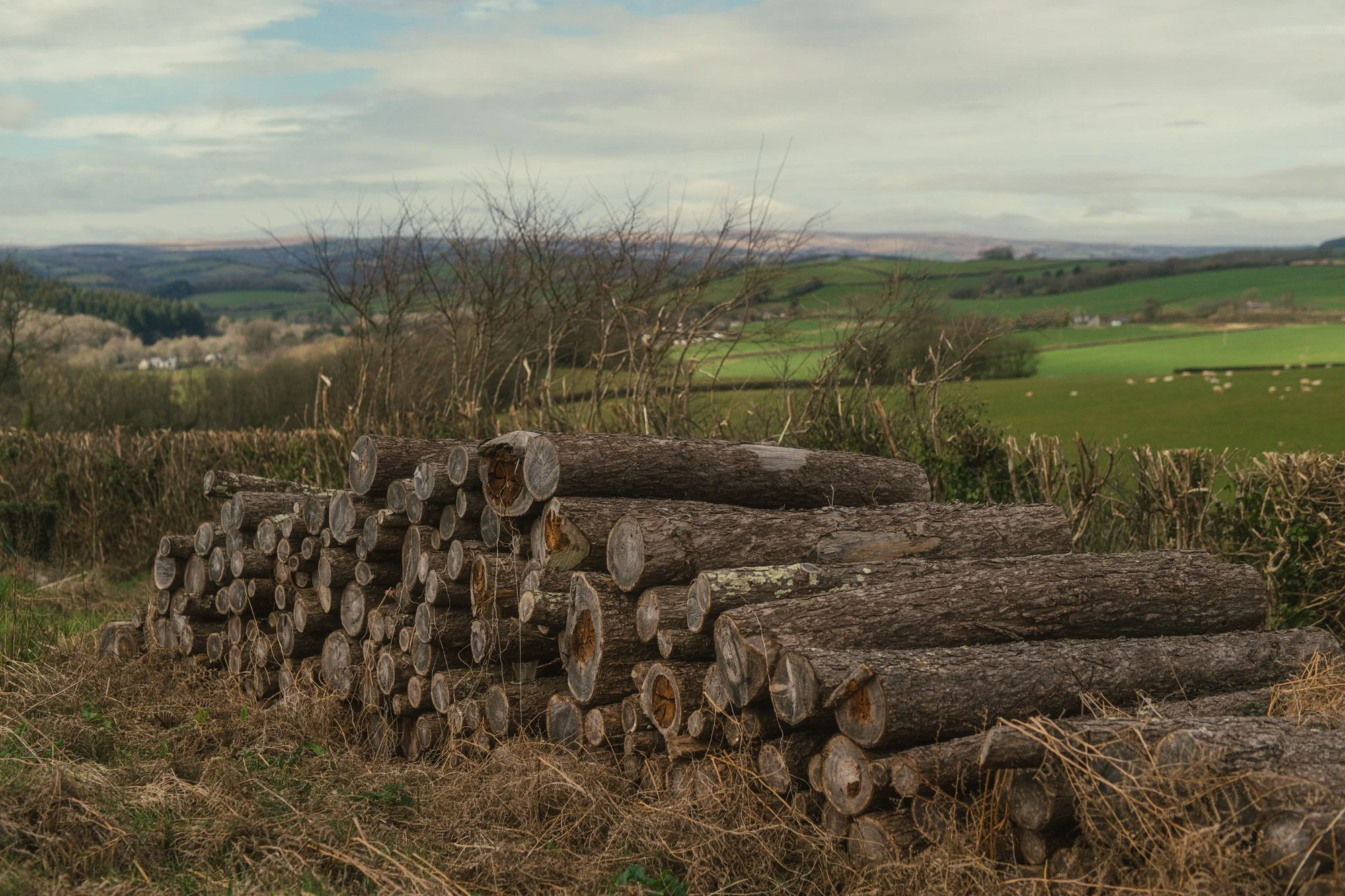
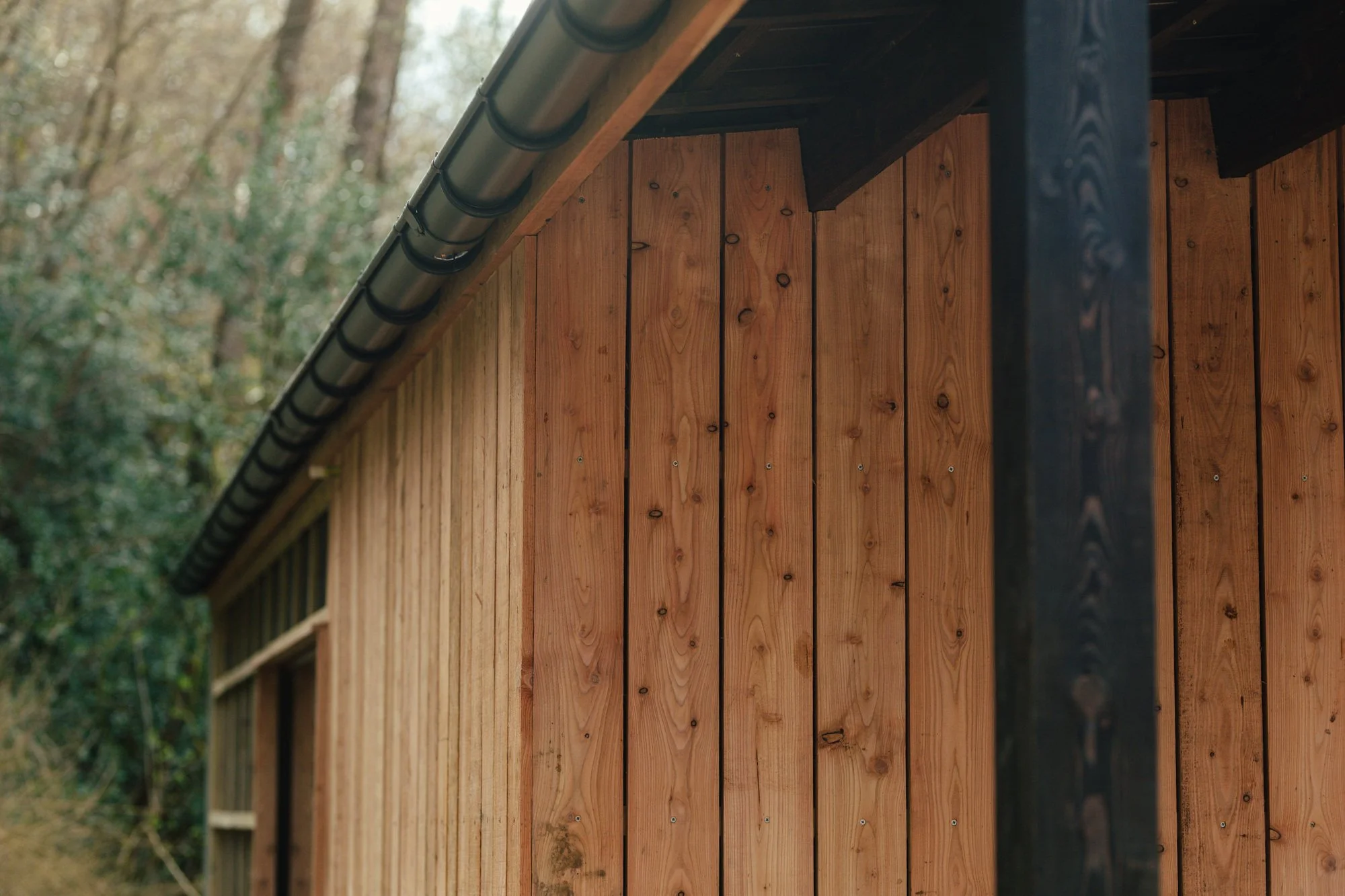
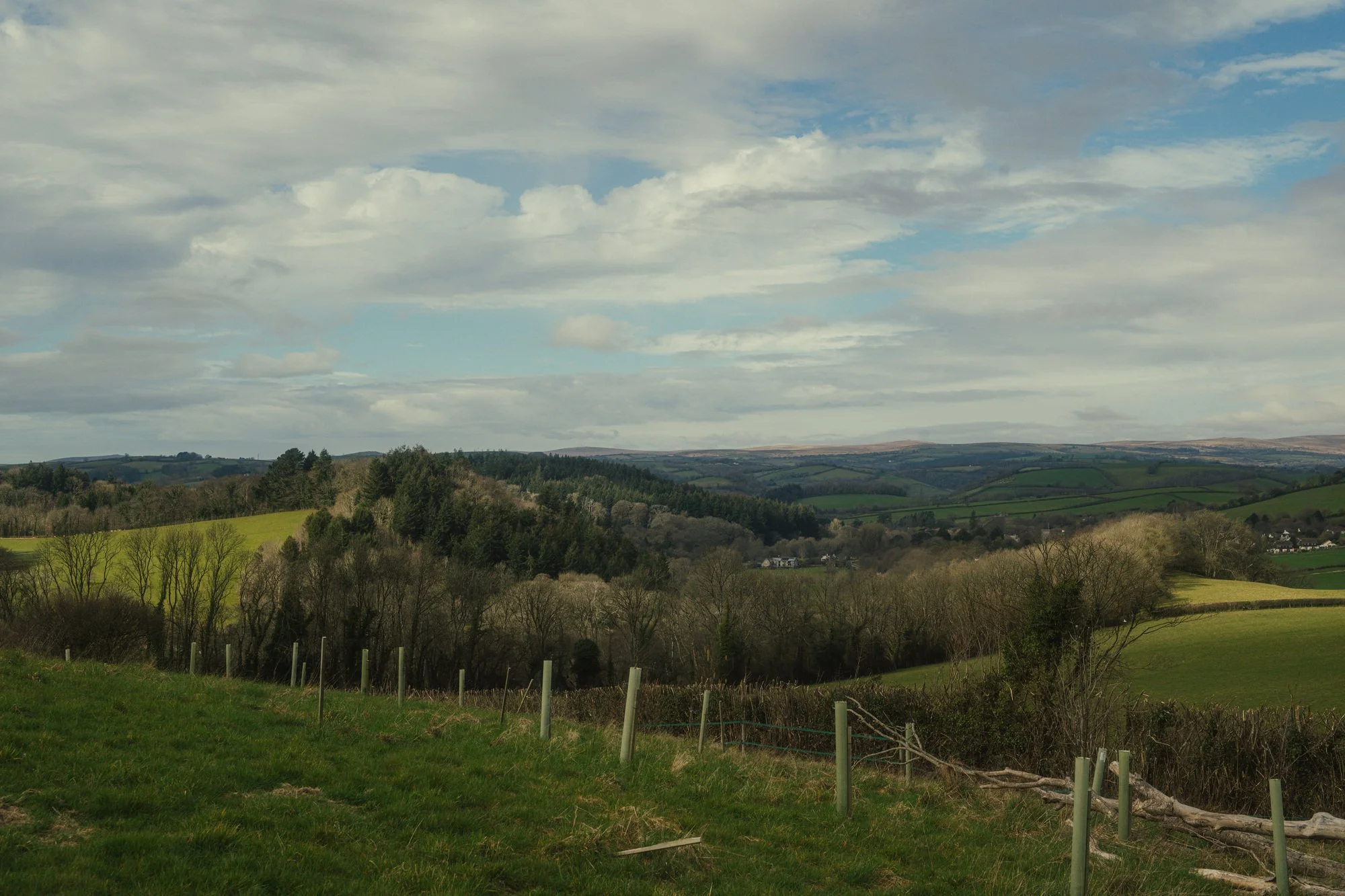
In parallel, Round One produced a short film documenting the Dell Cabin – focusing on atmosphere, materiality and lived experience – while Notch Studio captured a considered set of images reflecting both detail and relationship to place. Together, the website, film and photography form a cohesive narrative – showing not just what was made, but how it is encountered, used and lived with.